
New preliminary research suggests that a combination of higher atmospheric CO2 and hotter temperatures contribute to a reduction in nutritional quality in food crops, with serious implications for human health and wellbeing.
Thank you for beating me to it. I 100% agree with you.
But I have to say, in order to meet the nutrient density requirements, they would have to completely reform the agricultural sector. Which I would love, but we know how this goes with these people.
And the fact that in 2025, we keep stacking people on top of each other to the point that more than half of the world's population is living like this in cities, which is integrated in a vertical axis, but the energy consumption of the same people is still spreading elsewhere on an horizontal axis... that is foreboding the worst of outcomes in this regard.
The permaculture philosophy and the syntropic method would have to be integrated. And with it, vertical indoor farming in cities as a necessary response. But this would mean the end of monocultures and pesticide use. No more plowing either. Terrible for the microorganisms in the soil, means terrible for everything else. Soil policy would have to be in place as a baseline... it's a lot.
But I keep saying this... Environmentalism, veganism, sustainability and ethics are all the same thing. The very same thing. It's trying to insure that our lives as both the individual and the mass population causes the least destruction and suffering as possible. And that we can aspire to be net positive to all biological life on the planet. If the general population understood this, we could be heading somewhere. Unfortunately without understanding entropy and how the trophic balance is achieved, I doubt that one can understand syntropy or what the hell I'm even talking about right now.
But yeah... Syntropy vs Entropy is hard to explain in a small paragraph to the ADHD crowd of our time, I guess.
So... Optimism is just not in the cards. Not for me at least.
Optimism is for fools. Let me add a bit in the other direction: if most of the population became rural, then the work going on would be in rural activity. That sounds great until you realize that it requires a technological level that is similar to the pre-industrial life. And it's not just machines, complex science goes away and medicine mostly goes away, because you can't have that many specialists if everyone's working in agriculture and horticulture. One of the consequences of that would be that all the people who depend on modern technology to live, directly, would have a problem with living: that goes from vision aids to all medical treatments to pharmaceuticals to vaccines to surgeries (start at: no C-Section) to managing all disabilities (that we can manage now).
Of course. I'm sure that you understand that less quantity also means that you eat less... or you plant more.

@slrpnk.net
Discussion of climate, how it is changing, activism around that, the politics, and the energy systems change we need in order to stabilize things.
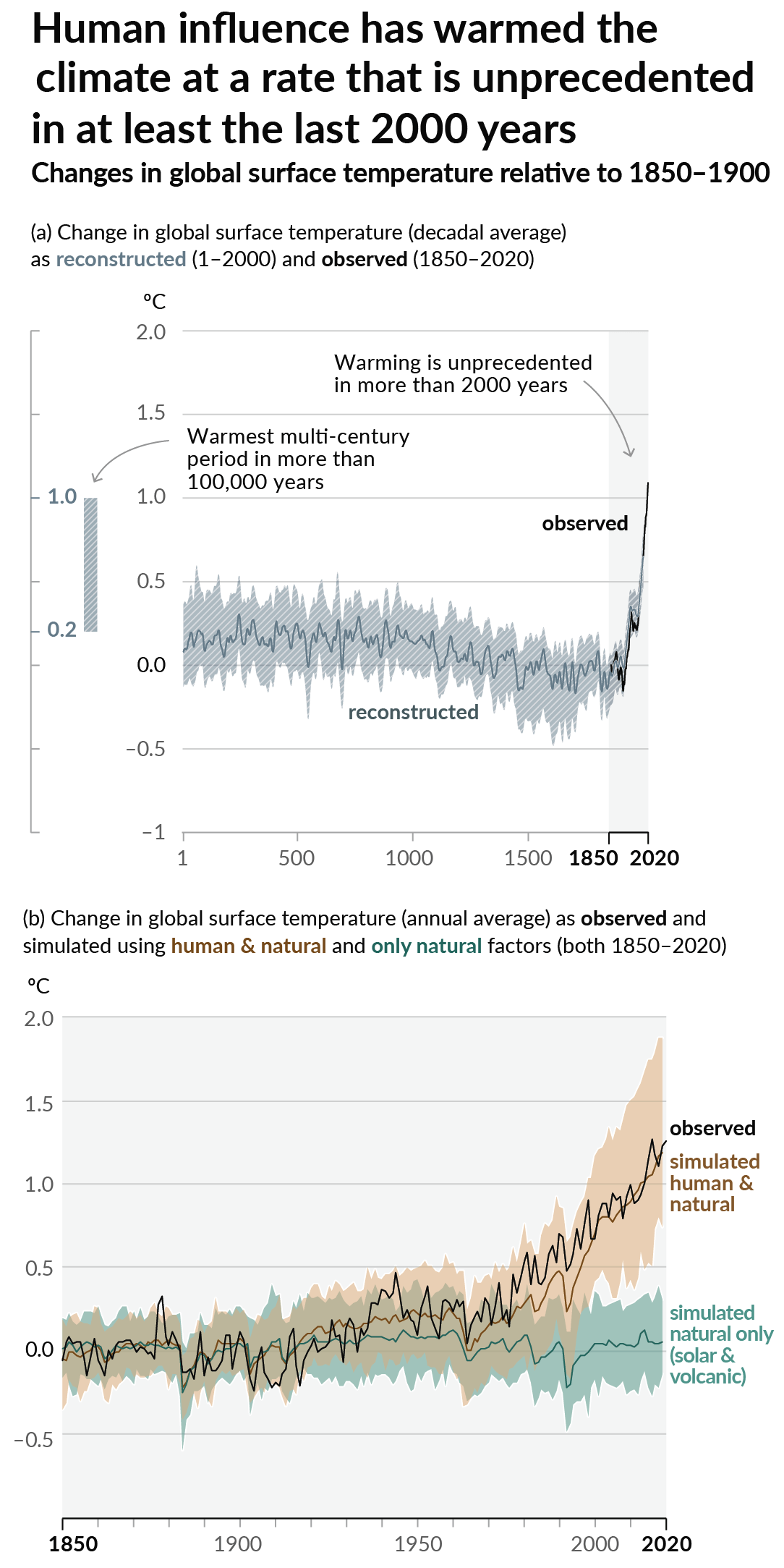
As a starting point, the burning of fossil fuels, and to a lesser extent deforestation and release of methane are responsible for the warming in recent decades:
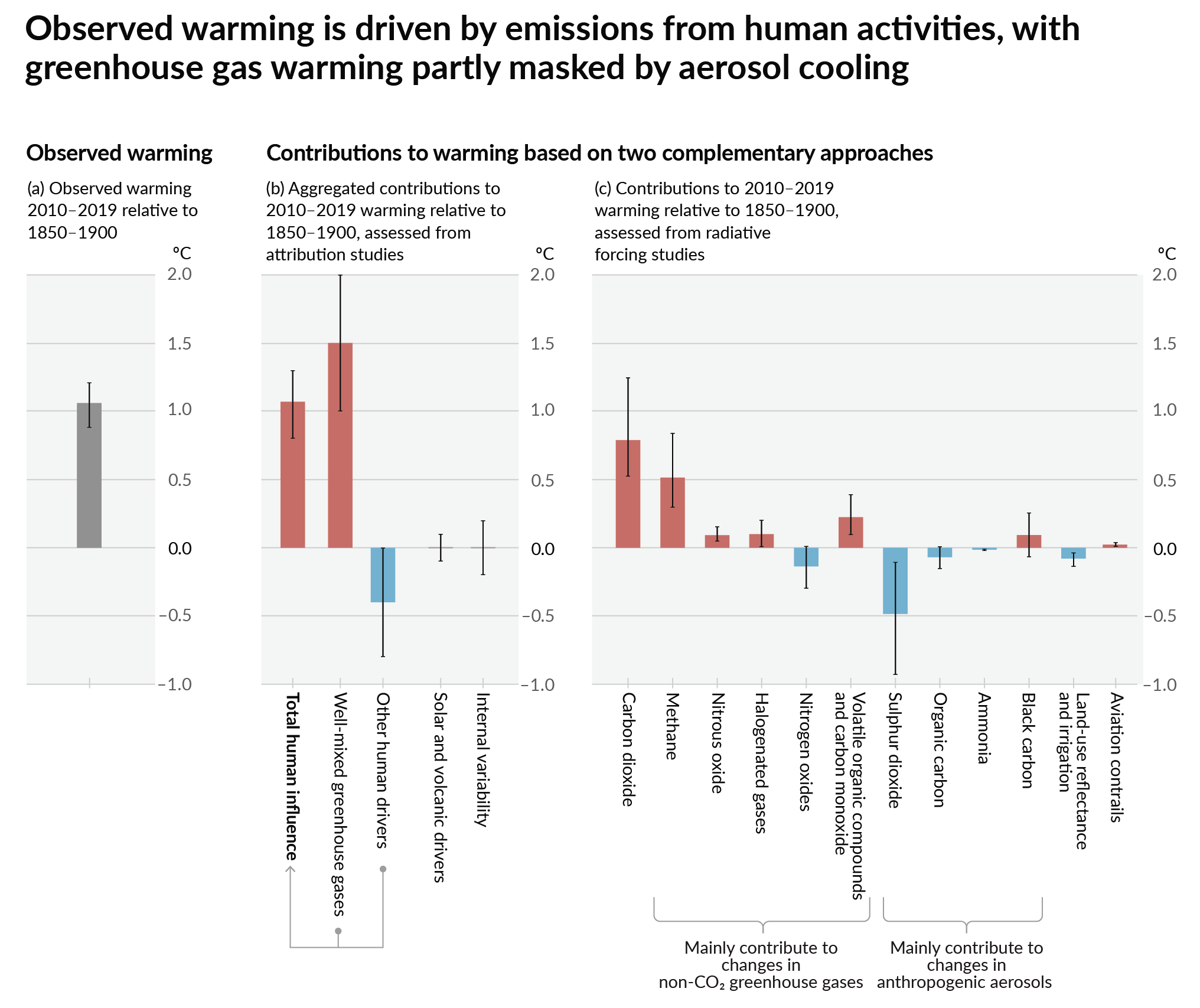
How much each change to the atmosphere has warmed the world:
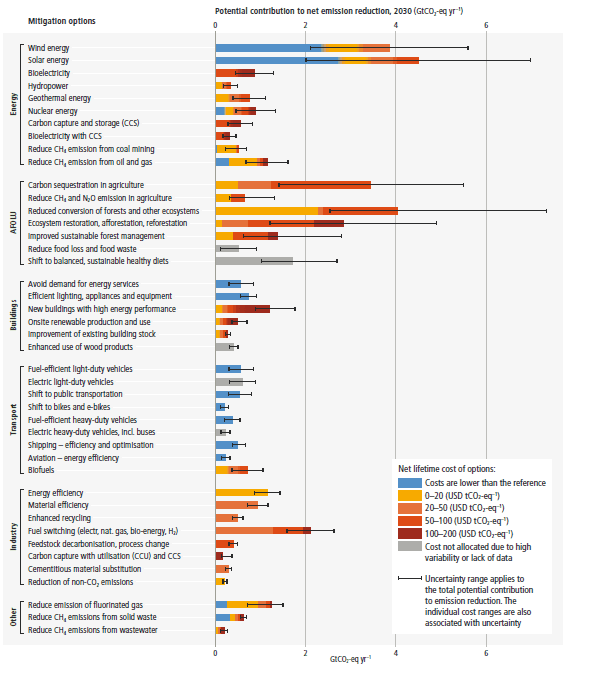
Recommended actions to cut greenhouse gas emissions in the near future:
Anti-science, inactivism, and unsupported conspiracy theories are not ok here.
go to feed...
@slrpnk.net
Discussion of climate, how it is changing, activism around that, the politics, and the energy systems change we need in order to stabilize things.
As a starting point, the burning of fossil fuels, and to a lesser extent deforestation and release of methane are responsible for the warming in recent decades:
How much each change to the atmosphere has warmed the world:
Recommended actions to cut greenhouse gas emissions in the near future:
Anti-science, inactivism, and unsupported conspiracy theories are not ok here.
go to feed...
It's not just climate, it's the crop breeding specialists. The sector demands quantity over quality, like in many other scenarios, and the people who develop new cultivars tend to focus on that quantity. When we have regulations for nutrient density or the consumers demand it, we'll see that change. Climate is adding to this problem, yes.
Note that it affects all biomass, including the second-hand sources of amino acids, lipids, sugars and other nutrients: animals.
save