
I just installed stable diffusion on my homelab and did not change anything, but the outputs are really bad, I tried following tutorials, but my version just outputs really weird stuff.
What am I doing wrong?
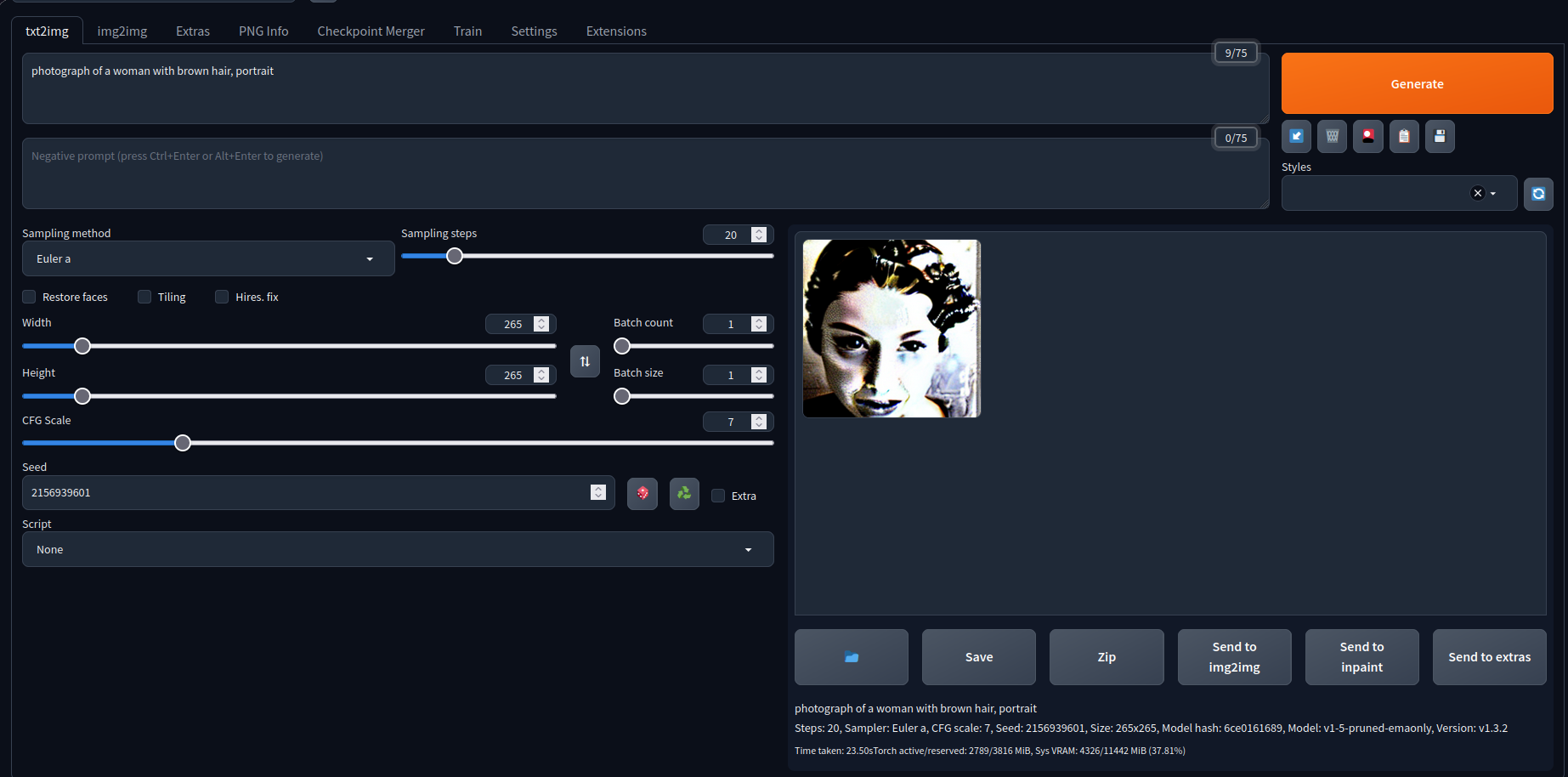
stable diffusion is creating bad outputs.
3 years ago by heimchen to c/stable_diffusion
I just installed stable diffusion on my homelab and did not change anything, but the outputs are really bad, I tried following tutorials, but my version just outputs really weird stuff.
What am I doing wrong?
I'd also suggest that using a different model (Deliberate 11, in this case), changing the prompt a bit, and using a negative embedding can help, even at 256x256.
an ai generated photograph of a woman with brown hair
Prompt: photograph of a woman with brown hair, portrait, masterpiece, trending on artstation
Negative prompt: easynegative
Steps: 20 | Sampler: Euler a | CFG scale: 7 | Seed: 2156939601 | Size: 256x256 | Model hash: 57d103206a | Model: deliberate_v11-pruned | VAE: vae-ft-mse-840000-ema-pruned | Clip skip: 1 | Version: 8749067 | Token merging ratio: 0.5 | Parser: Full parserUsed embeddings: easynegative [119b]
DDIM is great for both fast results, and final results on non-realism images. You can set DDIM to 12 steps and get pretty solid results, which is great when you're wanting to quickly try prompt variations or search for really good seeds. I usually use 20 steps when getting a final image.
DPM++ is the best I've tried for realism results, but it's slower per step than DDIM and requires 35-40 steps to get good results imo.
I can't zoom in on your picture, but are you using any checkpoint models?

@lemmy.dbzer0.com
Discuss matters related to our favourite AI Art generation technology
go to feed...
@lemmy.dbzer0.com
Discuss matters related to our favourite AI Art generation technology
go to feed...
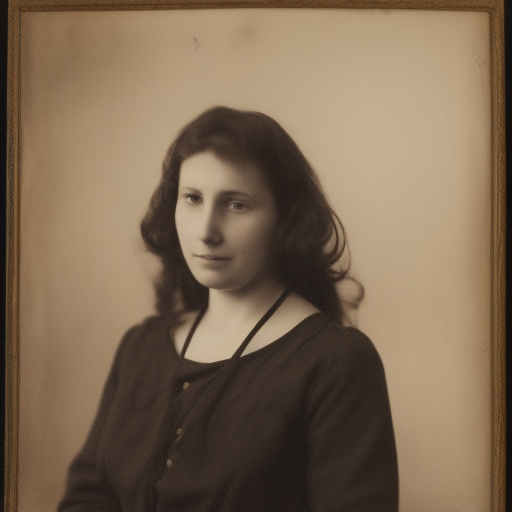

The size (256x256) might be too small. Here's 512x512, and here's the same thing, but 256x256.
save