
Primary is a terrible way to look at things when most of the energy in fossil fuels is wasted as heat, but it isn't wasted for renewables. You end up seeing almost no shift when large changes are happening
You can get industrial heat pumps which put out 200°C now. Resistive above that.
And yes, we need a large electrical system build-out. Which is happening anyways for AI. Just with fossil fuels behind it instead of wind and solar.
The alternative to shifting off of fossil fuels is a seriously degraded world
The fossil use in thermal and chemical inputs below is way beyond heat pumps so they count 1:1 in primary energy.
- Iron, Steel, and Metal Processing
These processes require some of the highest temperatures in manufacturing to extract, melt, and purify metals.
Blast Furnace Smelting: 1,500 °C - 2,000 °C — Used to reduce iron ore into liquid pig iron.
Electric Arc Furnace (EAF) Steelmaking: 1,600 °C - 1,700 °C — Melts recycled scrap steel to produce new steel.
Metal Casting and Founding: 1,200 °C - 1,600 °C — Melting metals like aluminum, copper, and iron into molds.
Heat Treating (Annealing, Hardening, Tempering): 400 °C - 1,100 °C — Controlled heating and cooling processes to alter the physical and chemical properties of steel and alloys.
- Ceramics, Glass, and Cement
These involve extreme heating to drive off moisture, chemically alter minerals, and melt raw materials into durable goods.
Cement Clinkering (Rotary Kilns): ~ 1,450 °C — Heats limestone and clay to form cement clinker.
Glass Melting: 1,200 °C - 1,600 °C — Melts silica sand, soda ash, and limestone into molten glass.
Ceramic Firing / Sintering: 1,000 °C - 1,400 °C — Hardens and bonds ceramic materials to produce brick, tiles, and advanced technical ceramics.
Lime Calcination: 850 °C - 950 °C — Decomposes limestone into calcium oxide (quicklime) and carbon dioxide.
- Chemical Processing and Petroleum Refining
High temperatures are utilized in the petrochemical sector for cracking, reforming, and producing core industrial gases.
Steam Cracking: 750 °C - 900 °C — Breaks down heavy hydrocarbons into lighter, valuable alkenes (like ethylene).
Steam Methane Reforming: 700 °C - 1,000 °C — Reacts steam with natural gas to produce synthesis gas and hydrogen.
Ammonia Production (Haber-Bosch process): ~ 400 °C - 500 °C — Requires both high heat and high pressure to synthesize ammonia.
- Refining and Mining
These processes are responsible for extracting precious metals and purifying chemical elements from mined ores.
Copper / Zinc Smelting: 1,100 °C - 1,300 °C — Melts copper and zinc ores to remove impurities.
Calcination of Alumina (Bayer Process): 1,000 °C - 1,200 °C — Removes water from aluminum hydroxide to produce alumina.

@slrpnk.net
Discussion of climate, how it is changing, activism around that, the politics, and the energy systems change we need in order to stabilize things.
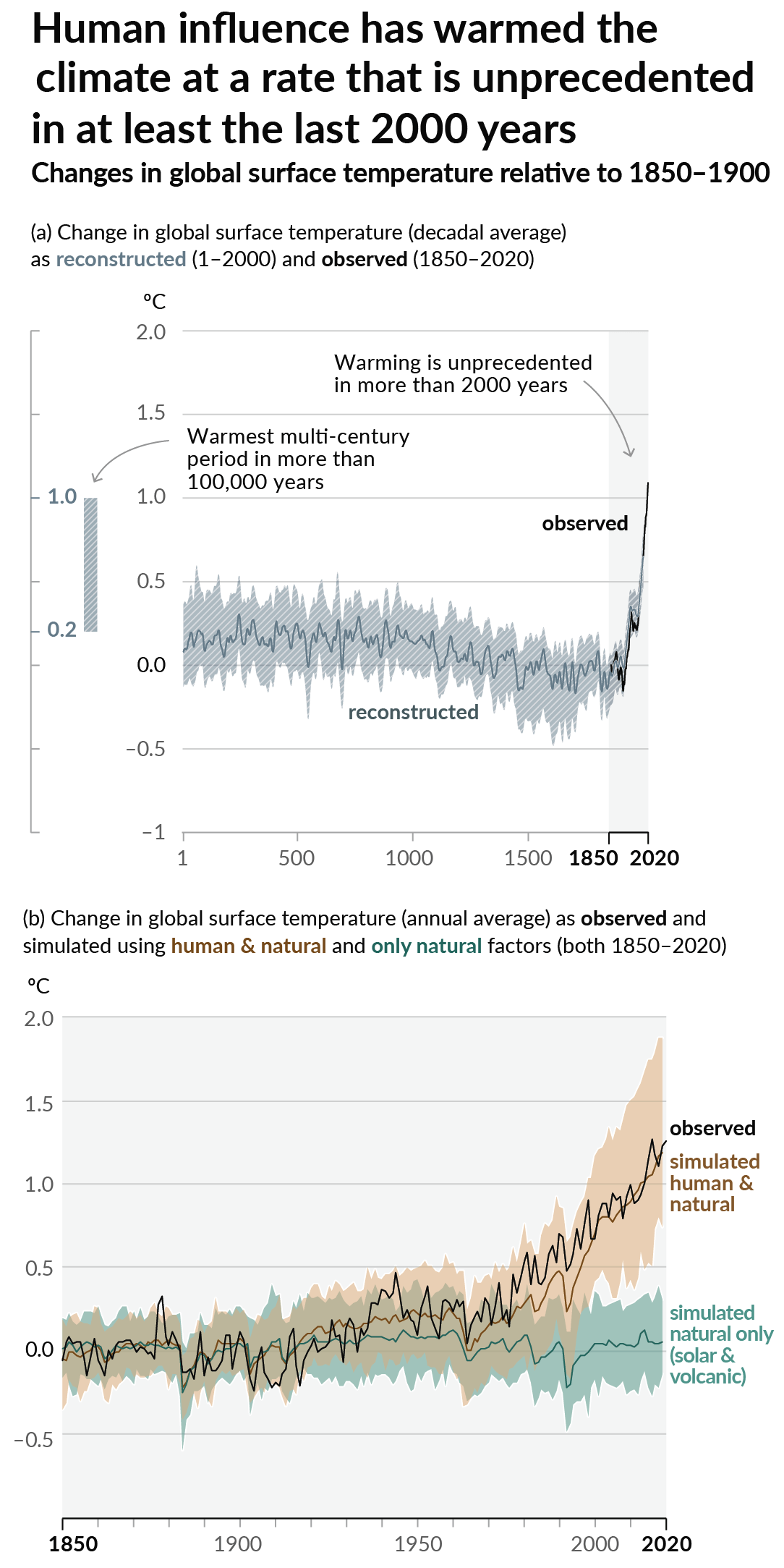
As a starting point, the burning of fossil fuels, and to a lesser extent deforestation and release of methane are responsible for the warming in recent decades:
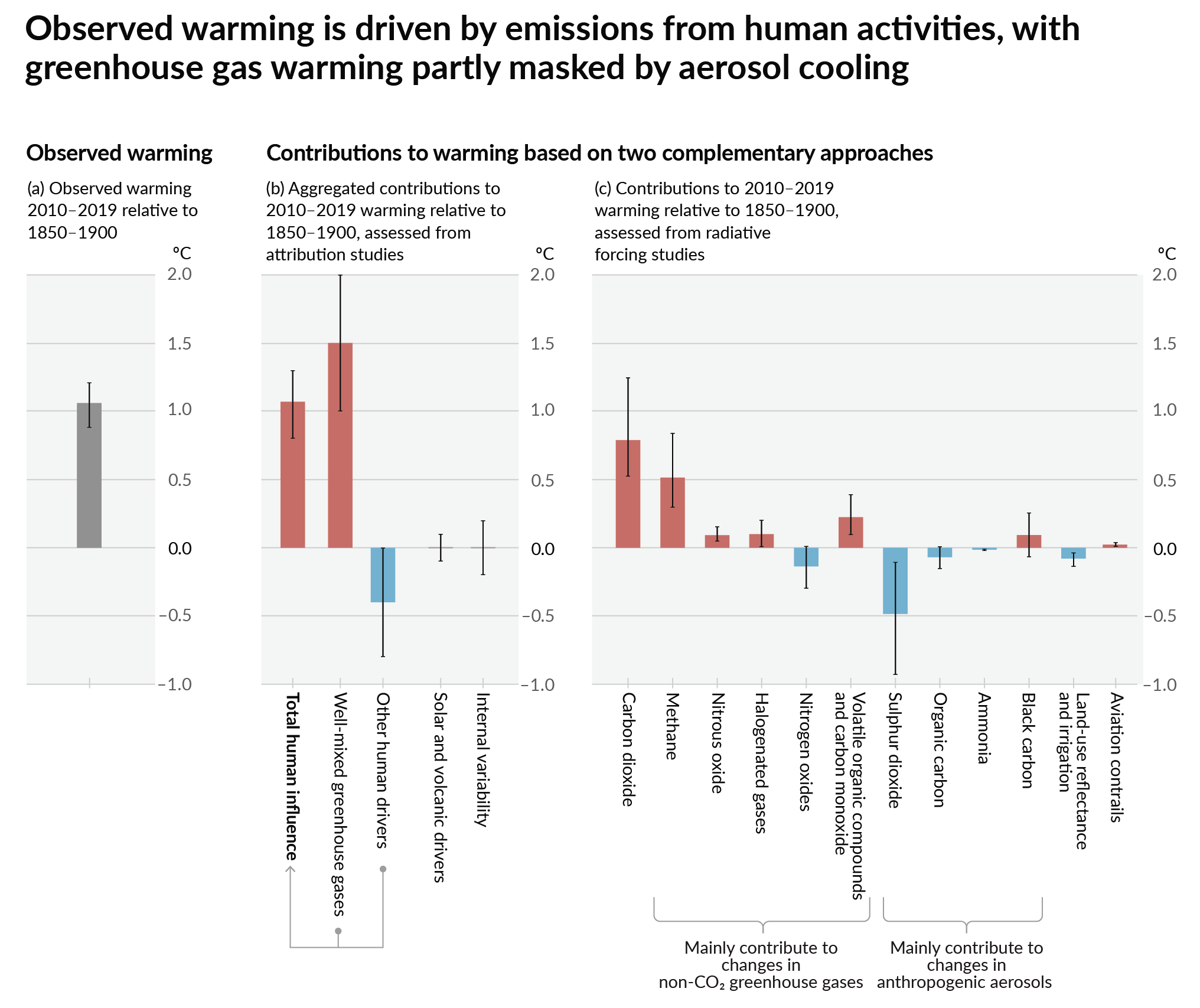
How much each change to the atmosphere has warmed the world:
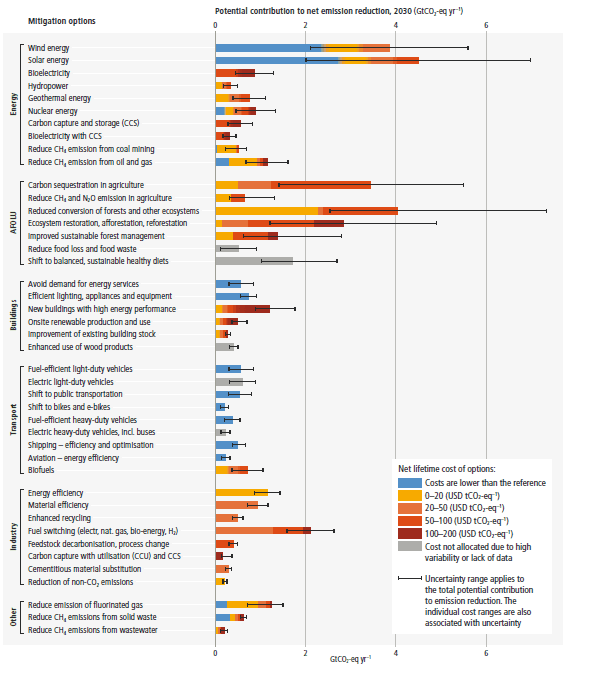
Recommended actions to cut greenhouse gas emissions in the near future:
Anti-science, inactivism, and unsupported conspiracy theories are not ok here.
go to feed...
@slrpnk.net
Discussion of climate, how it is changing, activism around that, the politics, and the energy systems change we need in order to stabilize things.
As a starting point, the burning of fossil fuels, and to a lesser extent deforestation and release of methane are responsible for the warming in recent decades:
How much each change to the atmosphere has warmed the world:
Recommended actions to cut greenhouse gas emissions in the near future:
Anti-science, inactivism, and unsupported conspiracy theories are not ok here.
go to feed...
World primary energy use shows an effectively constant fraction of fossil in the overall use. There is no "turning back" from something that doesn't exist.
save