
Artist: Claude Monet
Year: 1885
Medium: Oil on canvas.
Cliffs at Étretat is a series of about fifty oil paintings by Claude Monet. The series depicts the chalk cliffs of Étretat, a commune along the northern coast of France. The works depict the seaside town's limestone cliffs and sea arches under varying times of day and weather conditions, reflecting Monet's growing interest in serial views of a single motif.The Étretat paintings are regarded by art historians as a pivotal stage in Monet's career, marking the transition from his earlier Impressionist practice to the sustained observation of light and atmosphere that defined his later work.
Monet was inspired by Etretat in the Caux region of Normandy, which he visited every year between 1883 and 1886. He had first come across the area in 1868 and was particularly drawn by how picturesque it was - so much so that it resulted in more than 50 paintings. However, he only painted the Manneporte - the largest of three arches known as the "Gates," twice. When this work was created in c. 1885, Monet regularly met with Guy de Maupassant, a popular 19th-century French writer - often considered one of the "fathers" of the modern short story. Etretat, where Maupassant was living at the time, was the selling chosen for a number of his own works. His thoughts and feelings were mirrored in the works created by Monet of these monumental cliffs and his love of the Normandy coast. Known as the "Elephant and the Needle," due to the rock formations, these famous cliffs are painted by Monet in a typical Impressionist style, with its atmospheric conditions and the effect of the light. The illusion of movement on the sea is carefully created using separate brushstrokes, combined with vibrant colors. Monet was renowned for applying one color over another while the first was still wet - this is evident in this painting through the setting sun.
The work was painted during the winter months, presenting the artist with a number of obstacles, not least the weather, the difficult terrain, and the changing tides.
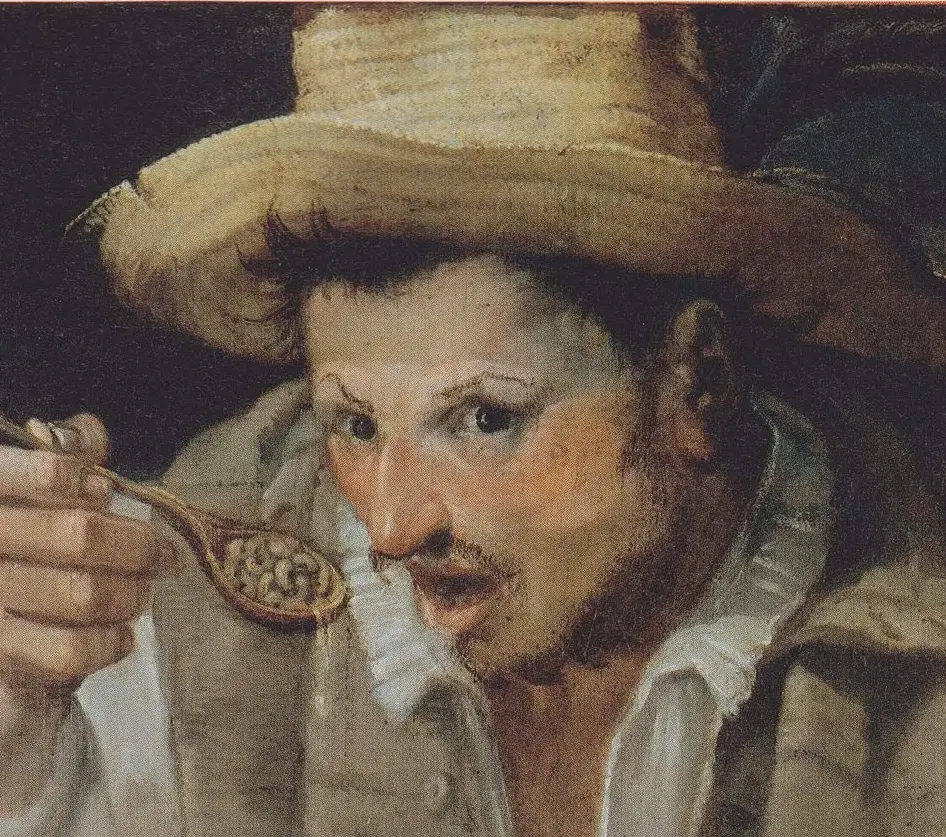


We recently saw an "Etretat" art exhibit that included Monet and a bunch of other famous artists. It was mostly of Etretat and surrounding landscapes along with local profiles of the people. It was eh, ok.
After the exhibit,vwe looked into vacationing or visiting Etretat. Though,vwe found out due to over tourism, the local government closed access to the beaches an cliffs.
save