Strong El Nino raises risk of rainfall shortages, early dry season in southern Vietnam
a day ago by Formless Oedon to c/climate
The Central Highlands and southern regions of Vietnam are likely to see less rainfall in early 2027, increasing the risk of drought, water shortages and saltwater intrusion. Photo: Tuoi Tre
[2026-08-16] Tuoi Tre News (Hồ Chí Minh City) — El Nino is a natural climate phenomenon characterized by the abnormal warming of sea surface temperatures in the central and eastern tropical Pacific Ocean.
It alters global weather patterns and leads to significant changes in temperature, rainfall, and wind, typically occurring every two to seven years and lasting about nine to 12 months.
The National Center for Hydro-Meteorological Forecasting on Saturday issued its latest outlook for weather and climate trends across Vietnam from September through February 2027.
According to the center, the El Nino-Southern Oscillation (ENSO) is currently in an El Nino phase.
During the second week of August, sea-surface temperatures in the central equatorial Pacific, in the Nino 3.4 region, were 1.8 degrees Celsius above average.
El Nino is expected to persist at strong to very strong intensity from September through November this year, with a 100-percent probability.
Within that forecast, there is a 93-percent chance that the phenomenon will reach very strong intensity.
From December through February next year, El Nino is expected to remain strong to very strong, with a 93-percent probability.
The phenomenon is expected to push temperatures above normal nationwide.
Average temperatures are forecast to be 0.5 to 2 degrees Celsius higher than the climatological average from September through November.
Between December and February 2027, temperatures are expected to be 0.5 to 1.5 degrees Celsius above average nationwide.
In the Central Highlands and southern regions, temperatures could be 1.5 to 2 degrees Celsius above average, with some areas possibly exceeding that range.
Rainy season in southern Vietnam may end early
Widespread hot weather is expected to continue, particularly in September, from Thanh Hoa to Hue and along the south-central coast.
The number of hot days in these areas is forecast to be higher than both the long-term average and the corresponding period in 2025.
Meanwhile, cold-air activity this year is expected to be weaker than normal.
From December through January 2027, cold air is forecast to be less active than the long-term average.
Cold spells and severe cold are also expected to arrive later than usual, with fewer days of intense cold than the climatological average for the same period.
Moderate to heavy rainfall is expected in many parts of the country between September and October.
In November, however, moderate and heavy rain is forecast to become less frequent than normal, with rainfall concentrated mainly in areas from Ha Tinh to Hue and along the south-central region.
In December, moderate to heavy downpours may still occur from Quang Tri to Lam Dong Provinces.
The center warned that rainfall deficits could develop during the key rainy-season months of October and November in these areas.
Meanwhile, in the Central Highlands and southern regions, the rainy season is likely to end earlier than usual.
From January through February 2027, relatively low rainfall in the regions could increase the risks of drought, water shortages and saltwater intrusion during the early-2027 dry season, potentially affecting daily life and agricultural production, according to the center.
Fewer storms expected in East Vietnam Sea
The number of tropical storms and depressions is also forecast to remain below the long-term average.
Around three to five storms or tropical depressions are expected to form or operate over the East Vietnam Sea from September through November this year, with one to two likely to make landfall in Vietnam.
This compares with a long-term average of about 5.9 storms over the maritime area and 2.9 making landfall in Vietnam during the same period.
Between December through February 2027, storms and tropical depressions over the East Vietnam Sea and landfalls in Vietnam are also expected to remain below average.
The long-term average for this period is about 1.4 storms over the maritime area and 0.2 making landfall.

@slrpnk.net
Discussion of climate, how it is changing, activism around that, the politics, and the energy systems change we need in order to stabilize things.
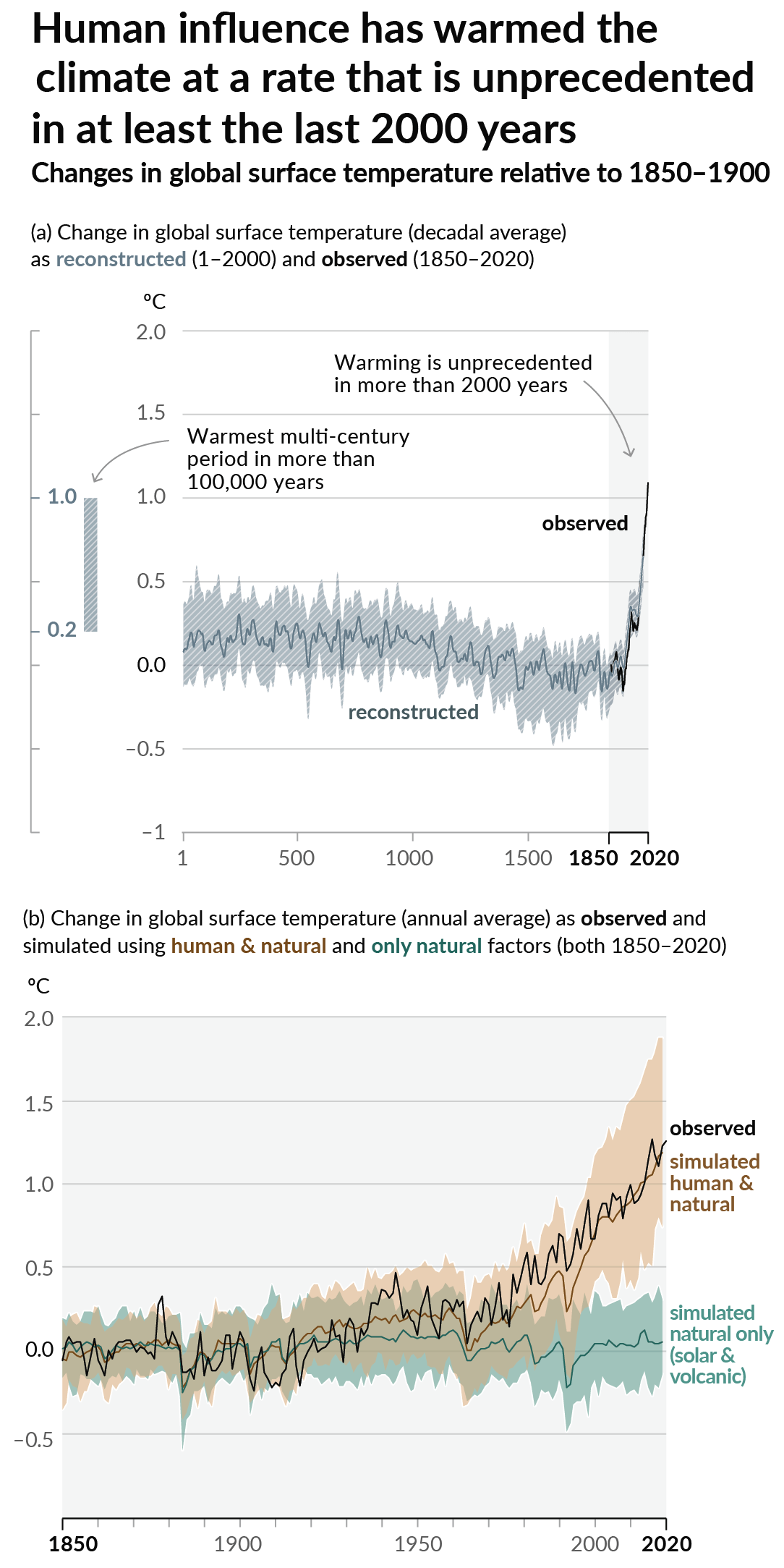
As a starting point, the burning of fossil fuels, and to a lesser extent deforestation and release of methane are responsible for the warming in recent decades:
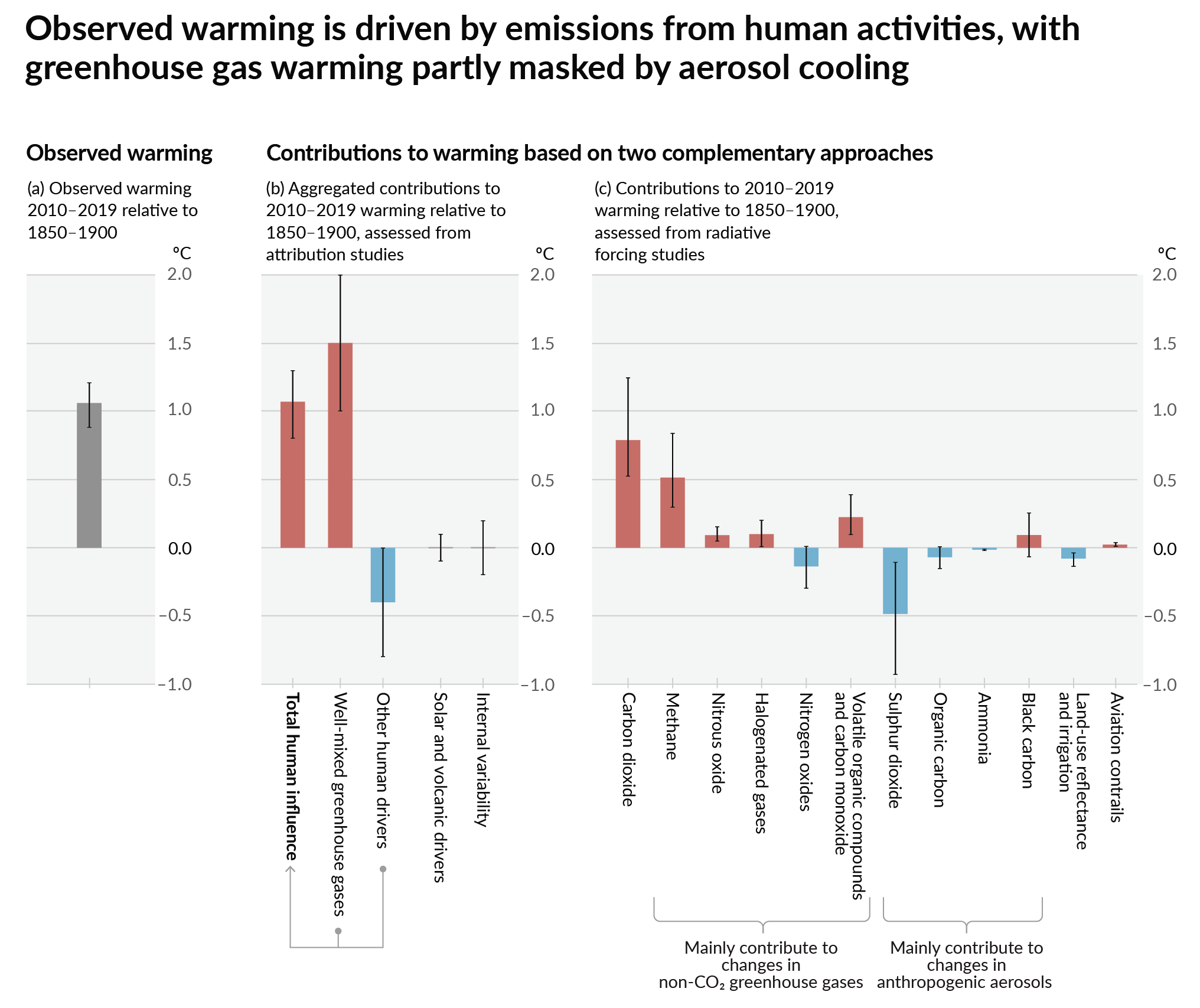
How much each change to the atmosphere has warmed the world:
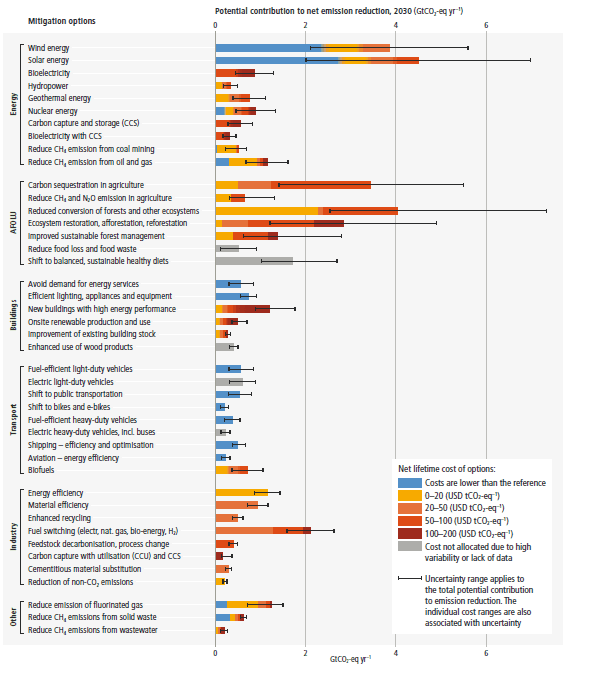
Recommended actions to cut greenhouse gas emissions in the near future:
Anti-science, inactivism, and unsupported conspiracy theories are not ok here.
go to feed...
@slrpnk.net
Discussion of climate, how it is changing, activism around that, the politics, and the energy systems change we need in order to stabilize things.
As a starting point, the burning of fossil fuels, and to a lesser extent deforestation and release of methane are responsible for the warming in recent decades:
How much each change to the atmosphere has warmed the world:
Recommended actions to cut greenhouse gas emissions in the near future:
Anti-science, inactivism, and unsupported conspiracy theories are not ok here.
go to feed...