
This doesn't include inflation or budget cost overruns, or giving the contracts to Don Jr's pool guy. None of the backup plans are firm, and dreaming of a 1.5C to 2C warming limit, will cause delay then emergency execution pricing of the projects.
The Retail Rate of Climate Adaptation
Evaluating the financial blueprint of Tucson, Las Vegas, Corpus Christi, and El Paso reveals that the true cost of water resilience is determined by the immense capital required to build complex engineering replacements.
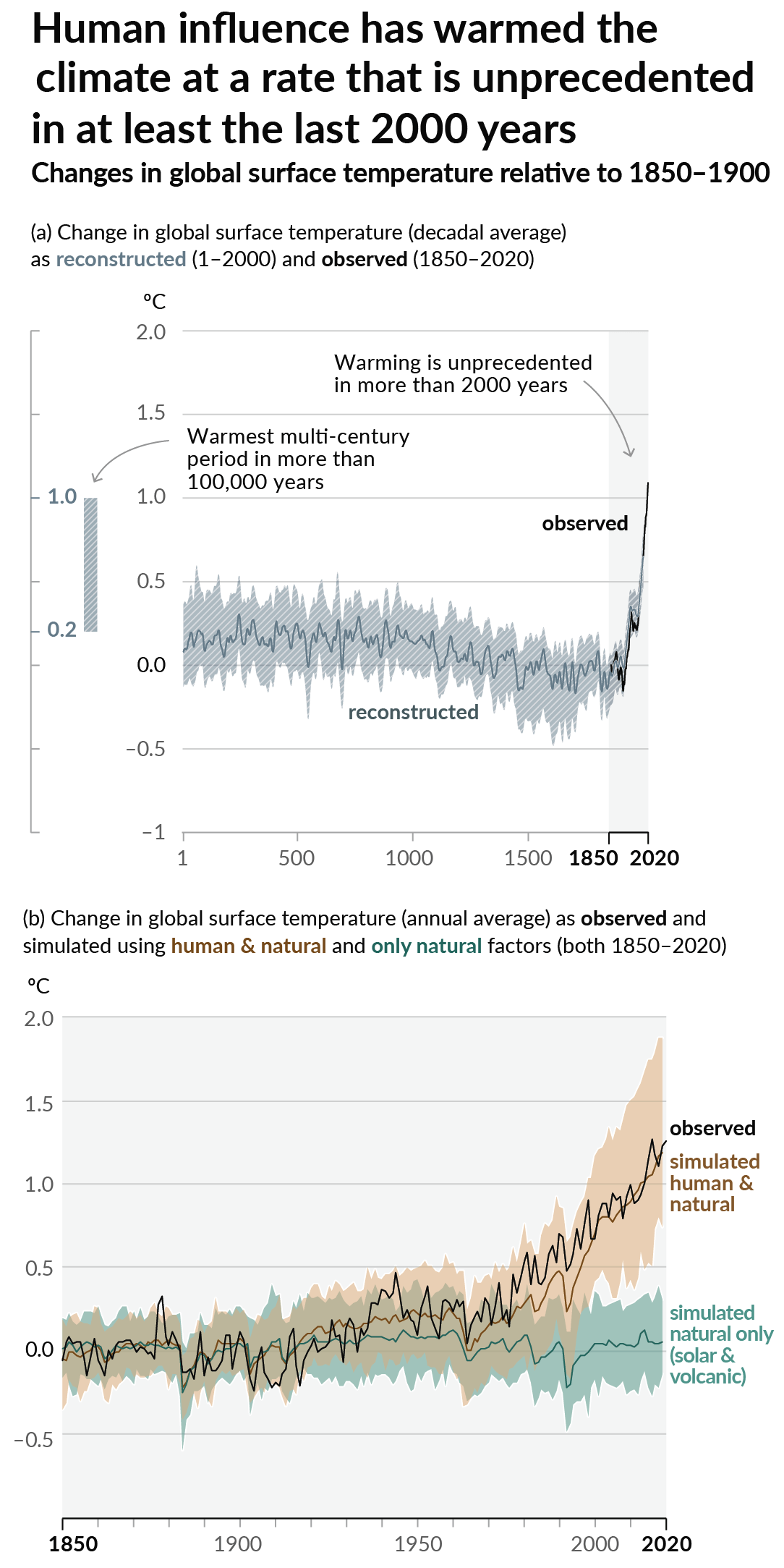
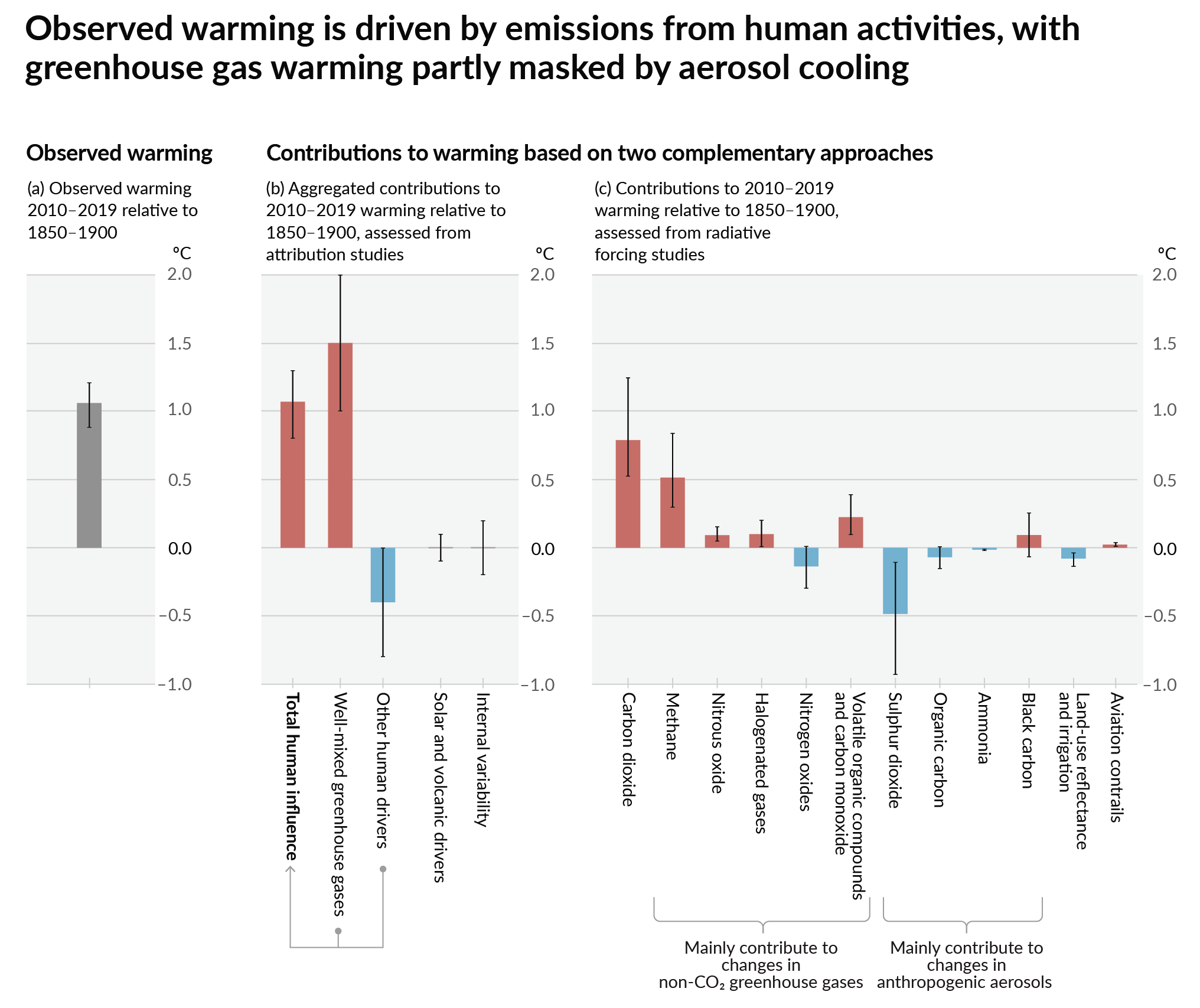
If global greenhouse gas emission trajectories lock the Southwest into a severe 3.5°C global warming scenario (+2°C over current baseline trends) by 2050, standard resource conservation strategies will hit a structural wall. At 3.5°C of warming, localized hydrological volatility shifts exponentially: mountain snowpacks evaporate directly into the air, lake reservoirs face continuous "dead pool" physical boundaries, and shallow coastal bays suffer from severe heat-driven hypersalinity.
The costs below are modeled on a standard monthly domestic consumption baseline of 10,000 gallons, which represents a typical family of four or a conservation-conscious household of two with a traditional Southwest lawn.
Southwest Municipal Water Resilience Outlook (2026 vs. 2050)
The table below contrasts current municipal water bills against the projected monthly costs required under a baseline 2050 climate scenario.
| City | Primary 2026 Resilience Strategy & Total Projected Capital Cost Share to 2050 | Current Monthly Water Bill (10k Gal Baseline) | 2050 Expected Monthly Bill (3.5°C Scenario Baseline) |
|---|---|---|---|
| Tucson, AZ | One Water 2100 Framework • Scaled aquifer storage credits and county-wide rainwater harvesting mandates. • Total projected capital cost to 2050: $1.4 Billion | $60.00 | $150.00 (3.0x national average) |
| Las Vegas, NV | Horizon Lateral & Pacific Desal Share • $2.0 Billion: Local Horizon Lateral pipeline redundancy project. • $1.0 Billion: Cost share for San Diego Carlsbad ocean desal purchase credits. • Total baseline capital: $3.0 Billion | $75.00 | $220.00 (4.4x national average) |
| Corpus Christi, TX | Inner Harbor Desalination Plant • Co-located seawater reverse osmosis facility to bypass drying river reservoirs. • Total projected capital cost to 2050: $978.7 Million | $86.00 | $300.00 (6.0x national average) |
| El Paso, TX | Dell City Water Importation Project • A 95-mile cross-desert pipeline to import rural groundwater and fund direct potable sewage reuse. • Total projected capital cost to 2050: $1.0 Billion | $74.50 | $225.00 (4.5x national average) |
Itemized Emergency Contingency Blueprints & Bill Impacts
While trading water rights prevents the physical delivery of ocean water across hundreds of miles of desert, it does not shield consumers from major rate increases. Financing mega-scale infrastructure outside of state or national borders still requires local water utilities to issue massive public debt. To pay off these multi-billion-dollar construction bonds, utilities must aggressively raise retail rates, passing the entire financial burden down to everyday residential water bills.
1. Tucson, Arizona: The Long-Range Supply Importation Scheme
- The Climate Emergency: Colorado River flow levels drop by an additional 20% to 30%, resulting in devastating structural cuts to the Central Arizona Project (CAP).
- The 2050 Contingency Plan: Tucson is forced to buy out massive agricultural water rights in rural La Paz and Yuma counties, drill deep industrial wells, and construct a multi-stage, 120-mile overland pipeline across the desert to physically pump water up-gradient into the Avra Valley storage basins.
- Itemized Contingency Cost: $2.2 Billion (Agricultural buyouts: $600M + 120-mile pipeline construction: $1.6B). May not be enough for 3.5C global warming.
- Projected Monthly Consumer Cost: $240.00 per month. This extreme strategy inflicts a $90.00 monthly surcharge on top of the already elevated $150.00 baseline plan rate.
2. Las Vegas, Nevada: Sea of Cortez International Desalination Exchange
- The Climate Emergency: Extreme regional aridification drives Lake Mead into permanent "dead pool" conditions. While Las Vegas has deep straws to pull from the bottom of the lake, the physical volumetric allocation from the Colorado River system is legally slashed to a fraction of today's yields.
- The 2050 Contingency Plan: Southern Nevada must move past California partnerships and execute a binational equity trade. Las Vegas will join Arizona to finance a mega-scale ocean desalination plant and a 200-mile pipeline on Mexico's Sea of Cortez coast (in Puerto Peñasco). While the physical water remains in Mexico to supply its coastal cities, Las Vegas will legally trade its financial investment for Mexico's remaining Colorado River surface allocations upstream, while shifting all local storage to high-pressure sub-surface rock injection to eliminate open-air evaporation losses.
- Itemized Contingency Cost: $2.75 Billion (Nevada's 50% capital share of the international Puerto Peñasco desal plant and Mexican transmission network).
- Projected Monthly Consumer Cost: $345.00 per month. Funding the construction of an entire processing system in Mexico adds an extra $125.00 monthly surcharge on top of the $220.00 baseline system rate.
3. Corpus Christi, Texas: Off-Shore Deep Marine Extraction
- The Climate Emergency: High temperatures drive severe evaporation in shallow bays like the Inner Harbor, creating hyper-saline conditions that cause standard onshore reverse-osmosis membranes to fail due to heavy mineral fouling.
- The 2050 Contingency Plan: Corpus Christi must abandon shallow-water intake designs and shift to Deep Marine Off-Shore Extraction. The city will need to construct heavy-duty underwater pipelines reaching miles out into the open Gulf of Mexico to harvest cooler, chemically stable open-ocean seawater.
- Itemized Contingency Cost: $2.5 Billion (Deep-sea marine pipeline network: $1.5B + Open-ocean reverse-osmosis facility updates: $1.0B).
- Projected Monthly Consumer Cost: $435.00 per month. This deep marine re-engineering adds an extra $135.00 monthly surcharge on top of the already high $300.00 baseline desal rate.
4. El Paso, Texas: The 6.5GW Data Center固定 Asset Strain & Extreme Binational Desalination
- The Climate Emergency & Tech Strain: Accelerating upriver snowpack evaporation shrinks the traditional 30-week Rio Grande flow season down to a mere 6 weeks. The incoming 6.5-gigawatt computing cluster (Meta, Oracle, and Fort Bliss) introduces a relentless, 24/7 evaporative cooling drain of 31,000 acre-feet of water per year. This cluster completely strips El Paso Water of its seasonal safety buffers, advancing the arrival of El Paso's ultimate $1.0 Billion Dell City Importation Pipeline by an estimated 7 to 9 years and driving standard bills up to $225.00 per month (a $150.50 monthly increase over current baseline conditions).
- The Ultimate 2050 Contingency (Post-Dell Exhaustion): When the Dell City aquifer is no longer sufficient due to climate-driven extraction strains, El Paso must deploy its final safety blueprint: The Binational Pacific-Chihuahuan Desalination Pipeline. El Paso, in collaboration with Chihuahua and federal entities, will build a massive transnational pipeline network extending roughly 500 miles from a dedicated, nuclear- or solar-powered desalination plant on Mexico's Pacific coast (or the Sea of Cortez). This multi-billion-dollar megastructure will physically lift and pump ocean water across mountain ranges and international borders directly into the Chihuahuan desert basin.
- Itemized Contingency Cost: $8.5 Billion (Pacific coast desalination facility: $3.5B + 500-mile cross-mountain transmission pipeline: $5.0B).
- Projected Monthly Consumer Cost: Subsequent to Dell City's exhaustion, the bill hits $420.00 per month. This extreme strategy inflicts an additional $195.00 monthly spike directly over the already elevated Dell City baseline rate, forcing local households to spend up to 8.4x the national average purely to secure baseline physical survival in a 3.5°C world.

Yeah, and that's by far not the worst of it.
save