Just a big ol' nerd like everyone else.
I love the chaos of a good card game like Fluxx or Unstable Unicorns.
@programming.dev
Just a big ol' nerd like everyone else.
I love the chaos of a good card game like Fluxx or Unstable Unicorns.
Copy Editor: A RegEx Puzzle Game
It's a word-puzzle game that incrementally teaches you how to use Regular Expressions (RegEx) to find & replace text. Some of the puzzles add silly restraints for you to work around, and the game has charming NPC coworkers that introduce each challenge.
Tin Can is a space survival simulator, where you are trapped in an escape pod after the loss of your ship. There are a few systems in your escape pod, and each system has components you need to look after. Your pod regularly flies through astoroid fields & other space phenomena that break these component parts forcing you to repair, replace or do without the systems keeping you afloat.
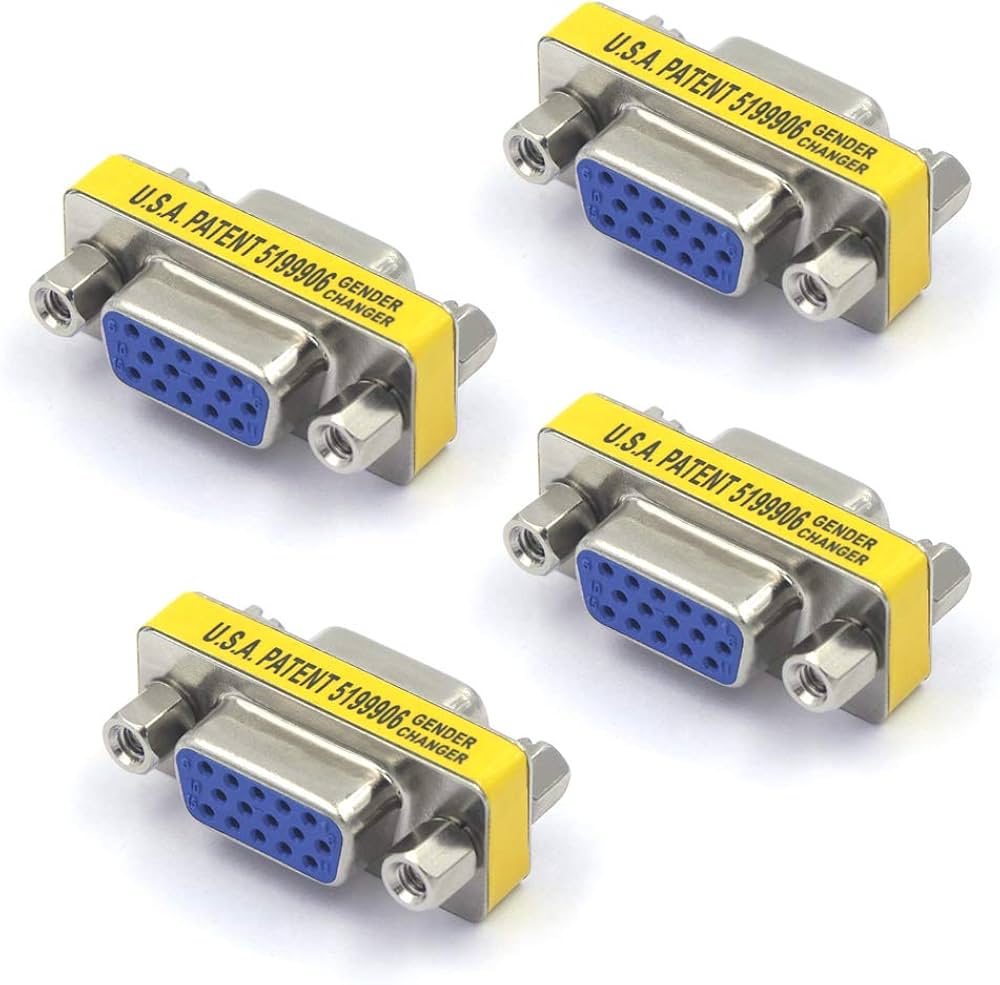
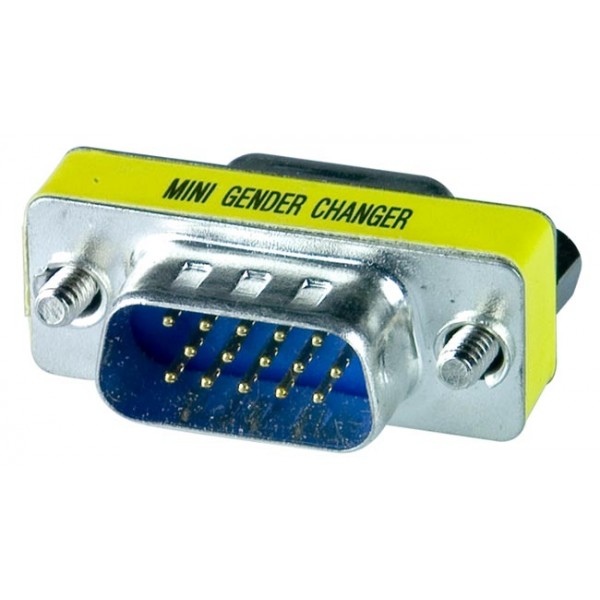
Manufactured by Castem Co. in Fukuyama, Hiroshima Prefecture: https://mainichi.jp/...
I find it easier to socialize around the context of organized activities like card & board games, arts & crafts or community sports. If it's an activity you enjoy and the event bringing people together is for that activity's enthusiasts, then you already share a common interest.
That is a minor plot point in The Restaurant at The End of The Universe by Douglas Adams.
::: spoiler
They propose & implement a defoilage campaign to combat inflation. :::
Cristopher Lee (of Counts Dracula & Dooku fame) does a metal cover of this on his album I, Don Quixote
True Neutral
Fear of spiders is an inate defense response passed down by survivors of spider encounters. It is a behavior accessible to creatures of all alignments.
How funny would it be to have the BBEG & an arachniphobic paladin cluch eachother in fear of a wildshaped giant wolf-spider?
Has she discovered the use of puns yet? I would recommend those cheesy dad-joke books and the joke pages from copies of Reader's Digest.
OpenAL is a cross-platform 3D audio API appropriate for use with gaming applications and many other types of audio applications. The library models a collection of audio sources moving in a 3D space that are heard by a single listener somewhere in that space. The basic OpenAL objects are a Listener, a Source, and a Buffer. There can be a large number of Buffers, which contain audio data. Each buffer can be attached to one or more Sources, which represent points in 3D space which are emitting audio. There is always one Listener object (per audio context), which represents the position where the sources are heard -- rendering is done from the perspective of the Listener.
It's not pretty, but it works.
thanks for using Leebra!
go to feed...