I'm just a person who does mycology for fun
2
67
the_artic_one
@piefed.social
the_artic_one 2 points 2 days ago
Oh I see the weird pores are normal for that species, glad it's not the bolete-eater.
Boletes tend to have a lot of water so I usually do a dry saute (cook in a hot pan with no oil until the water comes out and evaporates) then add a little neutral oil and a pinch of salt. You can taste them at this stage and either add more seasoning or put them in the fridge/freezer to season and use in a dish later.
If you find a lot of bugs while prepping, I would suggest drying in a food dehydrator or oven to get them out and then using the dried slices in soup.
Separate the pores and dry them, you can eat them like chips or crush them up to use as seasoning. Pores turn to mush when sauteed so a lot of people throw them out which is a waste because they have a ton of flavor.
the_artic_one 7 points 2 days ago
Never seen this genus before, that's some serious reticulation.
the_artic_one 3 points 2 days ago
Not a boy or in the Midwest but if I found something like that bolete in the PNW I'd call it B. Edulis var. edulis. Just keep in mind we don't have very many species of boletes here compared to other regions in North America. I can't quite tell from the photo but the pores look a little like a Hypomyces sp. may be attacking it.
I can't confirm the cort but I can confirm it's gorgeous.
the_artic_one 49 points 5 months ago
So this?

the_artic_one 43 points 3 months ago
Mycology is full of them which are mostly the result of genetic sequencing and the good old "where do you draw the line between species" question but a recent and high visibility one is the Collybia shift.
Before genetic testing, Collybia was a genus characterized by smallish pale-spored mushrooms with convex caps, no ring, and gills which are broadly attached to the stem (the simplest shape the average person would imagine for a mushroom), this became one of the classic "statures" of mushrooms "Collybioid". As we sequenced Collybia species, they were slowly moved into other Collybioid genera like Collybiopsis and Gymnopus. Eventually this resulted in most of the Collybioid mushrooms being moved out of Collybia, leaving only the earliest-discovered mushrooms in the genus which were tiny parasitic mushrooms that weren't really Collybioid at all.
Here's an average "Collybioid" mushroom Gymnopus sp.
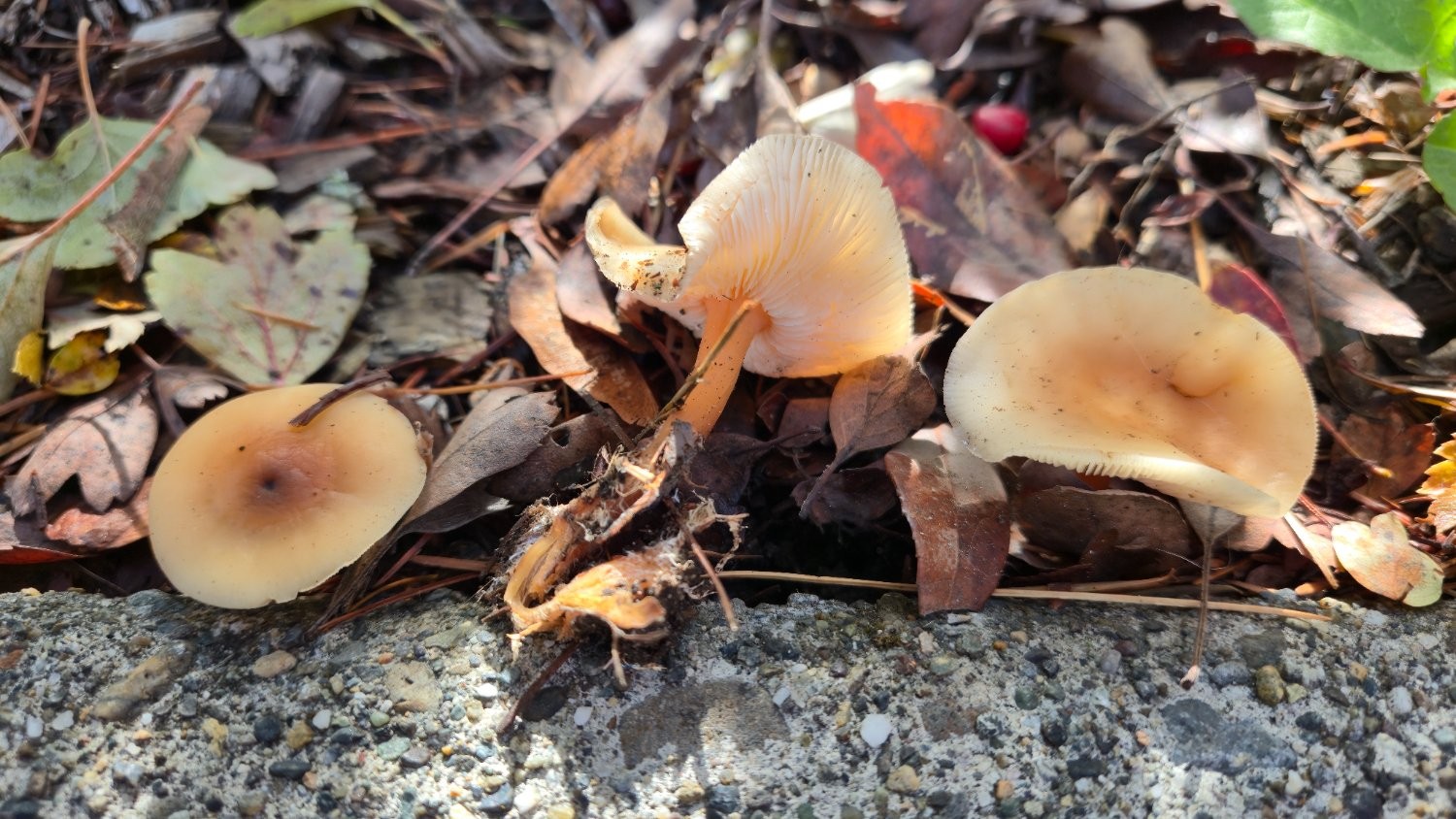
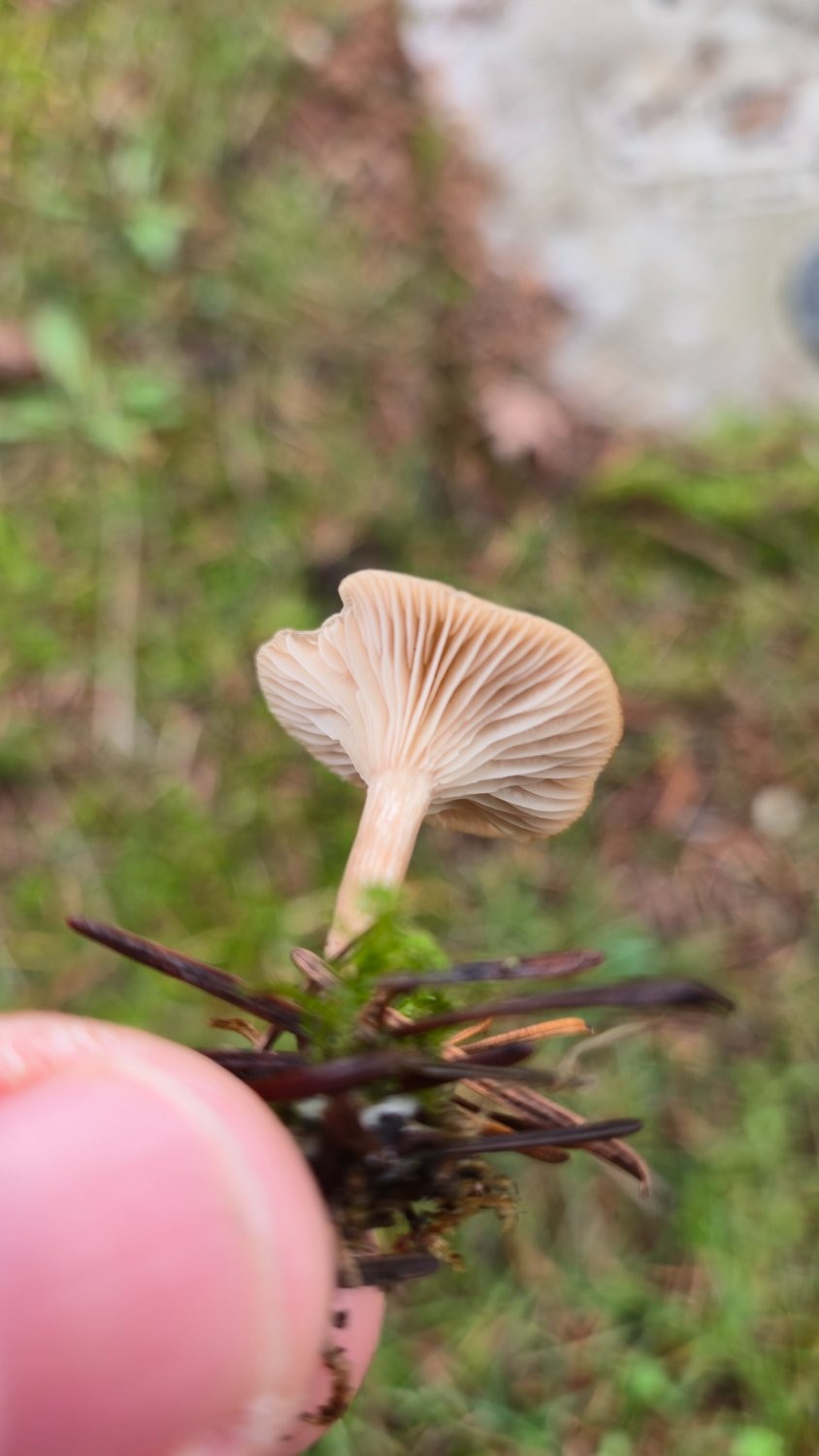
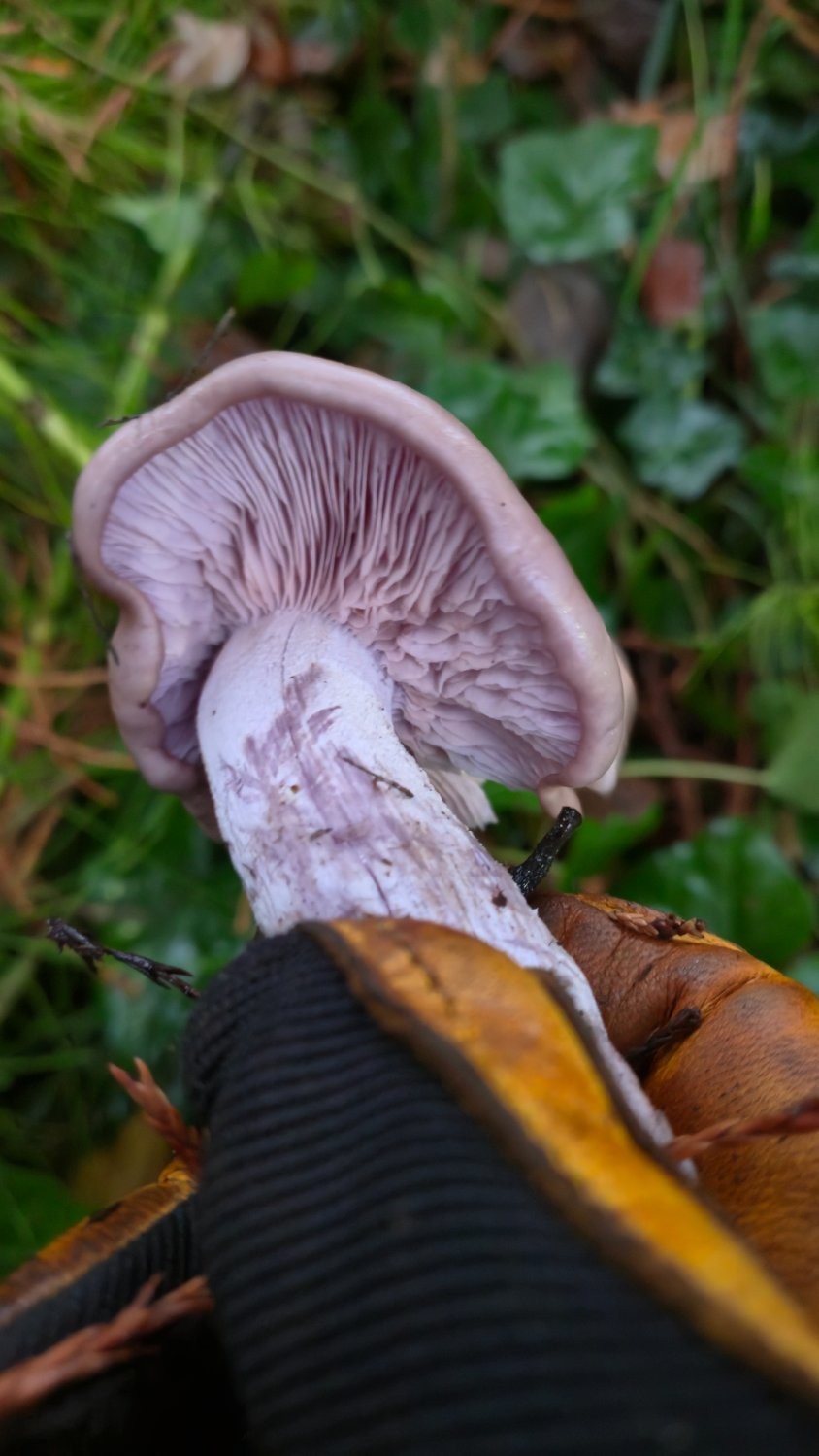
Then things got worse, a recent paper did a study on genus Clitocybe which is another genus which has a classic stature named after it, "Clitocyboid" which refers to smallish pale-spored, funnel-shaped, mushrooms with gills that run down the stem. This paper discovered that nearly everything we had been calling "Clitocybe" actually belonged in Collybia meaning that most mushrooms in Collybia are now Clitocyboid instead of Collybioid. This has resulted utter chaos which has some mycologists considering invoking the "common usage" rules in taxonomy to put the new Collybias back into Clitocybe to make things less confusing. This chaos has been compounded by the fact that iNaturalist has already accepted this name change, but only for the mushrooms explicitly studied in the paper and not their known relatives which has resulted in the Blewits being split between Collybia and Lepista (which itself was a recent name change from Clitocybe that everyone was still adjusting too).
Average nondescript Clitocyboid (no ID because these are nearly impossible):
A Blewit, AKA Clitocybe/Lepista/Collybia nuda:
the_artic_one 20 points 4 months ago
There are a bunch, some have the "eggs" attached with little strings to make them fling in different directions, some keep the eggs in jelly until they're ready to be splashed out, some are weird little balls that burst open instead of cups with lids that pop off.
You usually find them on twigs, they're hard to spot because they're all pretty tiny.
the_artic_one 18 points 4 months ago
They said he didn't have any justification that the ones he set before actually were necessary for national security. He's actually got a possible justification this time, despite how nonsensical it is to use tariffs for this instead of sanctions.
the_artic_one 18 points 3 months ago
I got started with jellyfin and never used Plex but there's a bunch of rough edges:
- No apps on several smart tv/streaming stick stores, Vizio has an app for plex but not jellyfin so I would need to buy a new streaming device. Yes smart tvs spy on you but the alternatives people recommend either spy on you just as much or are expensive (Nvidia shield) and most of them still require side loading so it's a major obstacle for sharing with anyone else.
- Casting from the mobile app won't play at full resolution, you can get around this by using VLC as your player and casting from that but that causes it to frequently lose watch progress. Also stopping casting or playing the next episode doesn't work properly with VLC and you need to rapidly mash "back" to get into the jellyfin app again and queue up a new episode.
- The current release of Jellyfin desktop won't play audio for iptv streams, this is fixed in the dev branch but I have yet to find a build without other critical bugs so I'll likely need to wait for the next release which currently has no target date.
- The browser version has spotty controller support that stops working constantly. When it does work it lacks any way to access context menus to mark shows as watched etc. If you're using a flatpak browser to run it on steam deck or whatever, you'll have codec and passthrough issues (Chrome is the only flatpak with decent codec support).
- Others have mentioned the security issues which you can bypass by putting authentik or something in front of it but then you can only share with people using browser.
the_artic_one 16 points 3 months ago
The drawback to spaces is that people with vision issues or dyslexia lose the ability to make the code more readable in their IDE by adjusting tab size.
the_artic_one 15 points 2 months ago
Distance by road is probably longer than by plane as roads need to follow terrain instead of going straight from point A to point B, hence why the author felt it necessary to specify.
the_artic_one 15 points 10 days ago
Not the cheapest but Leolines and TomboyX have some swimwear to help you out with that.
the_artic_one 12 points 5 months ago
2 was a prequel about Mike and Sulley in college because they couldn't imagine a sequel to Monsters inc either. It was fine but pretty unnecessary, I definitely wouldn't expect a 3 to be any good.
the_artic_one 12 points 5 months ago
+1 I only keep multiples of commonly used cables and I use ziplock bags to keep cables of the same type together in my cable box so it's easy to tell if I've accumulated too many.
the_artic_one 11 points a month ago
Star Trek governing bodies tend to include the founding species in their name so citizens of "The Klingon Empire" can be called "Klingons" regardless of whether or not they're actually of the klingon species. The same doesn't apply to any species like humans who are citizens of The Federation, unless you're talking about the Mirror-universe Terrans who are citizens of The Terran Empire.
the_artic_one 11 points 4 months ago
I read it as the main character being so self-deprecating that he extends his self-deprecating attitude to whichever political ideology he adopts.
the_artic_one 11 points 2 months ago
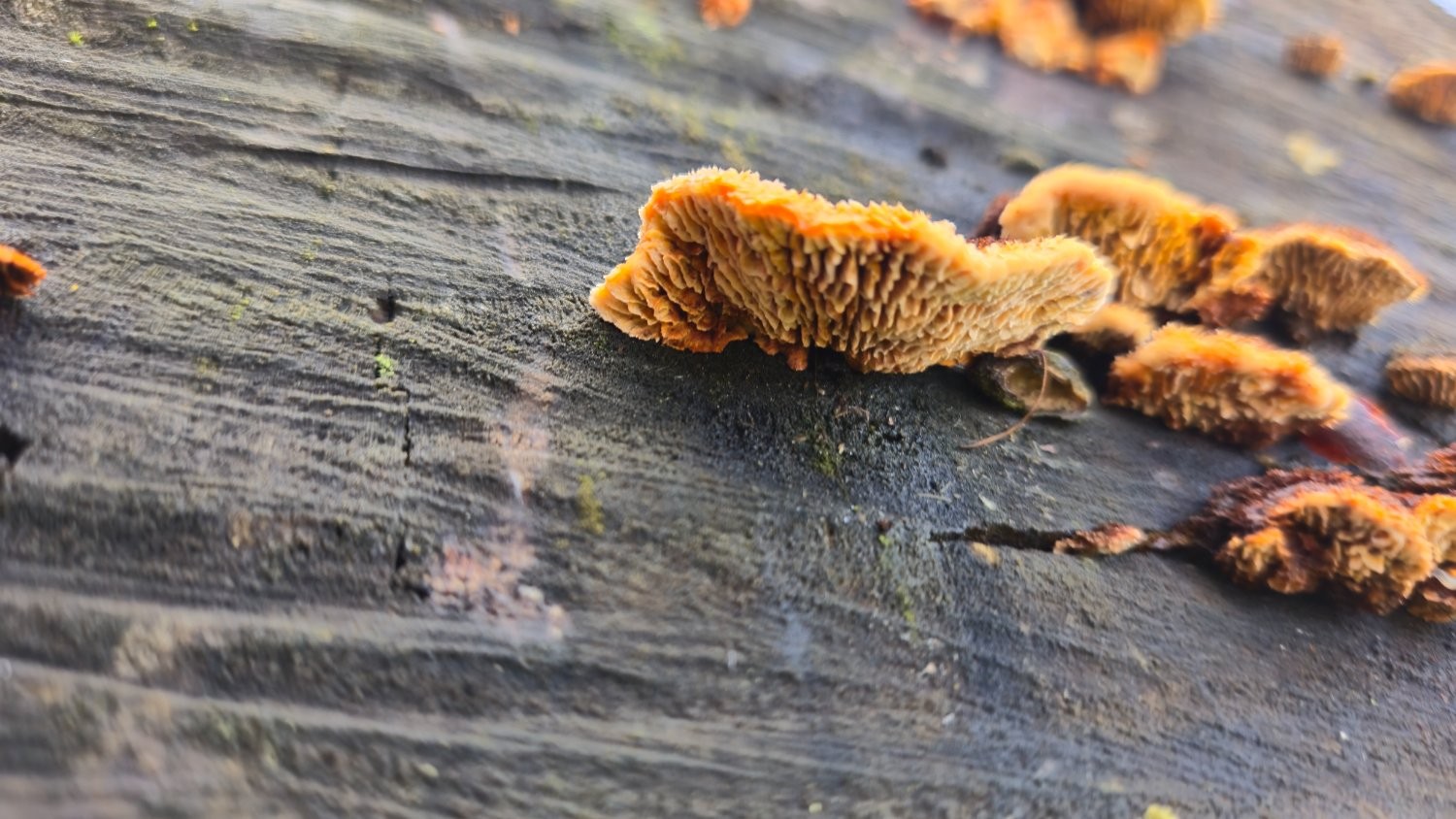
I know this isn't !mycology@mander.xyz but I'm still sad there's no pic of the gills/pores. Especially since these look like Gloeophyllum which have really cool gills.
the_artic_one 10 points 13 days ago
These people declared war on Obama back in the day.
the_artic_one 9 points 5 months ago
It's been forever since I've written C++ at a place that didn't have their own version of STL where they used different names for everything.
the_artic_one 8 points 4 months ago
I'm sorry to say that's not even on the average person's radar.
thanks for using Leebra!
go to feed...